 English
 French
 German

1st National Conference on Sustainable Fashion Events (SF)
Organizer: Sustainable Fashion and Product Design Research Center (Apparel Faculty)
Date: March 22, 2025
Venue: EiTEX Admin Building Terrace
Participants: Over 134 attendees
Executive Summary
The 1st National Sustainable Fashion Conference held on March 22, 2025, marked a significant milestone in promoting sustainable practices within the fashion industry. With over 134 participants from diverse sectors—including fashion designers, educators, NGOs, government representatives, and students—the conference served as a vital platform for dialogue and collaboration. The event featured colorful fashion events and a wonderful art exhibition that showcased innovative approaches to sustainability in fashion. This report provides a comprehensive overview of the conference, including keynote speeches, panel discussions, paper presentations, and various events that took place.
Introduction
As the global fashion industry faces increasing scrutiny over its environmental impact, the need for sustainable practices has never been more urgent. The 1st National Sustainable Fashion Conference aimed to address these challenges by bringing together key stakeholders to share knowledge, experiences, and innovative solutions. The conference provided an opportunity for participants to engage with thought leaders and practitioners who are at the forefront of sustainable fashion.
Conference Overview
The conference was structured around a series of keynote addresses, panel discussions, and research paper presentations. The program was designed to facilitate meaningful conversations about sustainability in fashion while highlighting best practices and emerging trends.
Keynote Speakers
The conference opened with inspiring keynote speeches from three distinguished experts:
1. Dr. Milkesa Jagema (Director General, Manufacturing Industry Development Institute).
Dr. Milkesa Jagema delivered a powerful address on the importance of integrating sustainable practices into manufacturing processes. He emphasized that manufacturers have a crucial role in reducing waste and promoting eco-friendly materials. His insights set the tone for the conference, underscoring the need for collaboration across the industry.
2. Mr. Mohammed Numaan (Fashion Design Expert, Textile and Garment Industry Research and Development Center - TGIRDC)
Mr. Mohammed Numaan discussed the significance of innovation in sustainable fashion design. He highlighted successful case studies where designers have embraced eco-friendly materials and production techniques. His presentation inspired attendees to think creatively about how they can contribute to sustainability in their own work.
Panel Discussion
Following the keynote addresses, a dynamic panel discussion featured prominent figures from various sectors of the fashion industry:
l Dr. Milkesa Jagema (Director General, Manufacturing Industry Development Institute)
l Mrs. Michaela Maria (Director, Mafi Fashion Academy and Lab)
l Mrs. Mahlet Teklemariam (Founder and Organizer, Hub of Africa Fashion Week)
l Mr. Fikir Tesfu (General Manager, Vestis Garment Production PLC)
l Mr. Kalayu Gebru (Project Manager, Sustainable Cotton and Textile Value Chains)
l Mr. Goshu Negash (President, ETGAMA)
l Miss Mastewal Alemu (Founder, Mastewal Alemu Fashion Brand)
l Mr. Yonathan Tesfaye (Fashion Technologist)
The panelists engaged in lively discussions about the future of sustainable fashion, sharing insights on best practices and collaborative efforts needed to drive change within the industry. Key themes included the importance of consumer education, the role of policy in promoting sustainability, and the need for transparency in supply chains.
Paper Presentations
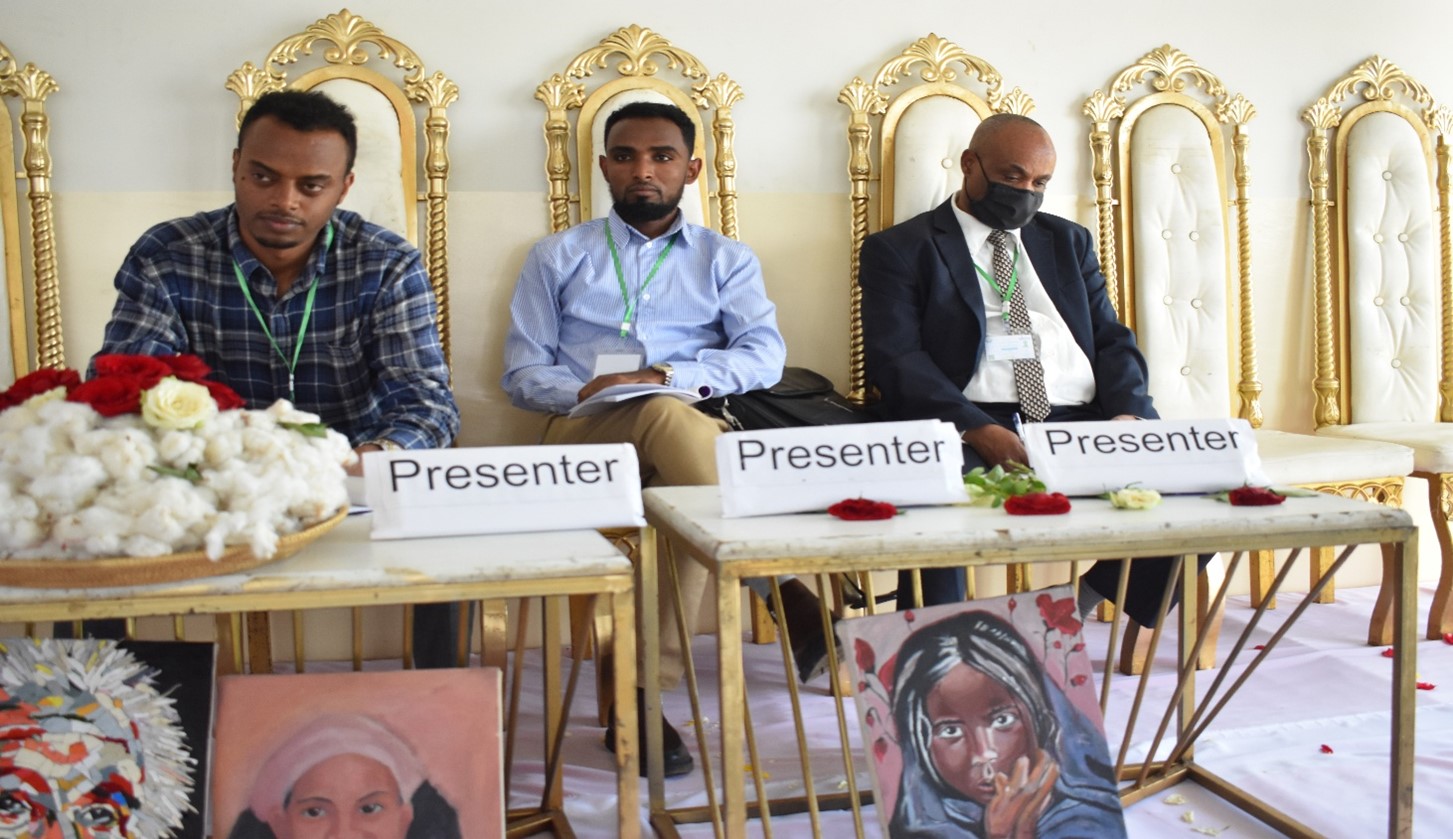
Research papers were presented by several academics and practitioners:
l Mr. Adbaru Esubalew (Fashion Technologist, Wolkite University)
l Mr. Esubalew presented his research on sustainable material sourcing and its impact on reducing waste in fashion production.
l Mr. Seid Mohammed (Assistant Professor, Bahir Dar University)
l Mr. Mohammed's paper focused on consumer behavior towards sustainable fashion products and how education can influence purchasing decisions.
l Mr. Sahle Mektie (Industrial Engineering and Logistics Management, Hawassa University)
l Mr. Mektie's research addressed logistics management strategies that can enhance sustainability in the fashion supply chain.
These presentations provided valuable academic perspectives on sustainability in fashion, contributing to a deeper understanding of the challenges and opportunities within the industry.
Conference Events
The conference featured several engaging events that showcased creativity and innovation in sustainable fashion.
Art Exhibition
An art exhibition showcasing sustainable products and practices was held starting at 3:00 LT at the EiTEX Admin Building Terrace. This exhibition highlighted innovative designs and artistic expressions that align with sustainable principles. Artists and designers displayed their work, emphasizing the importance of creativity in promoting sustainability.
Fashion Show
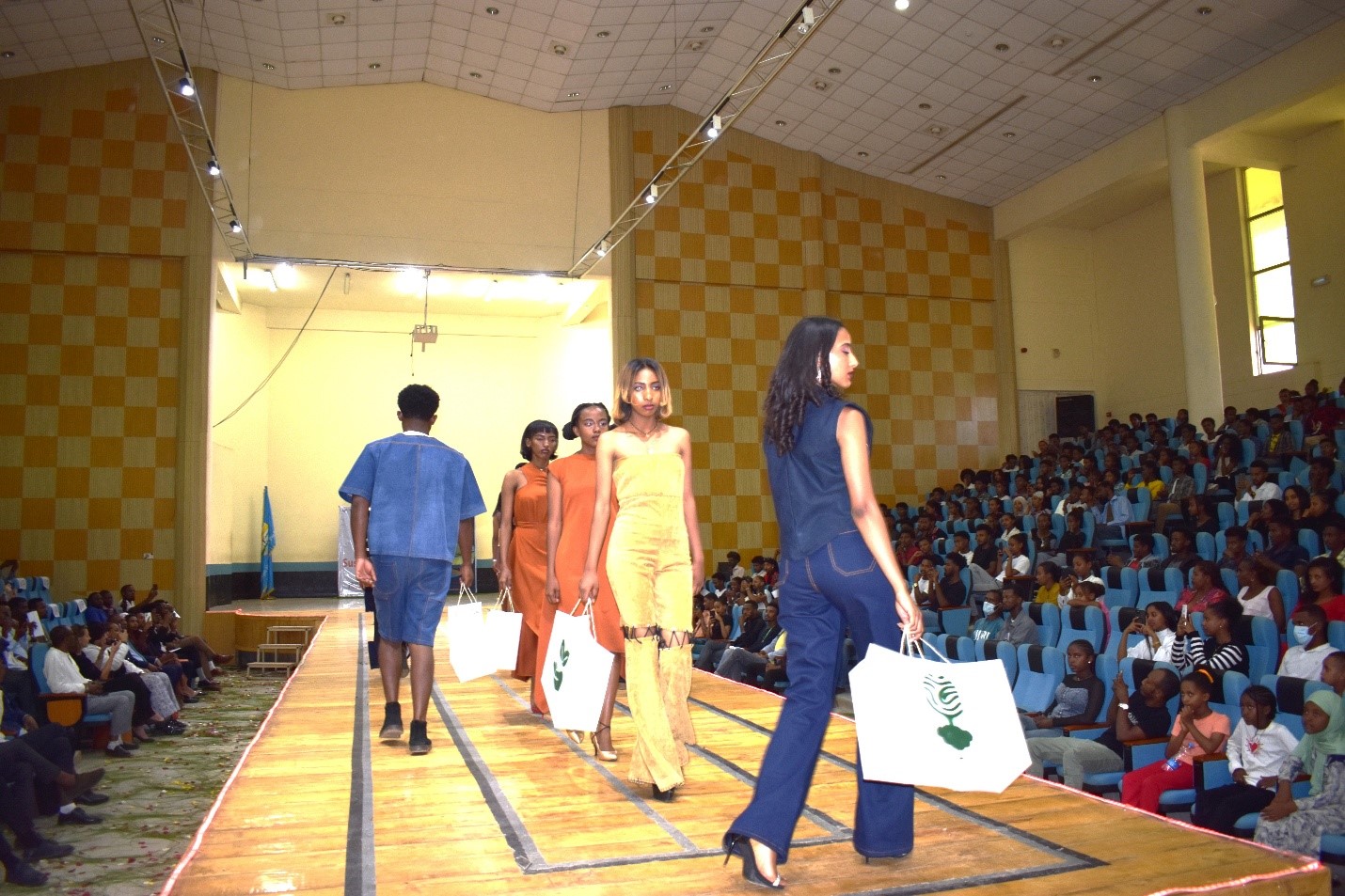
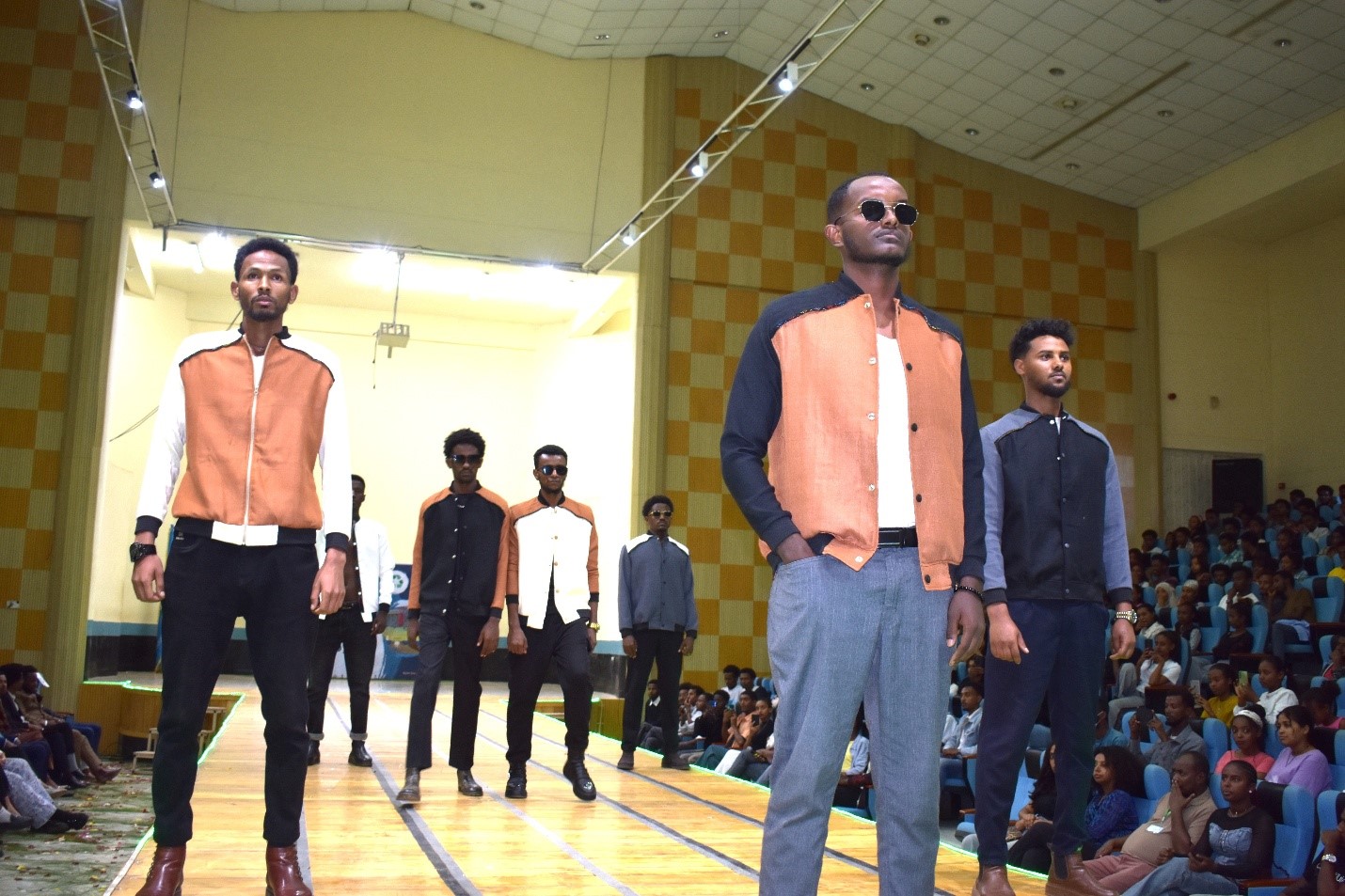
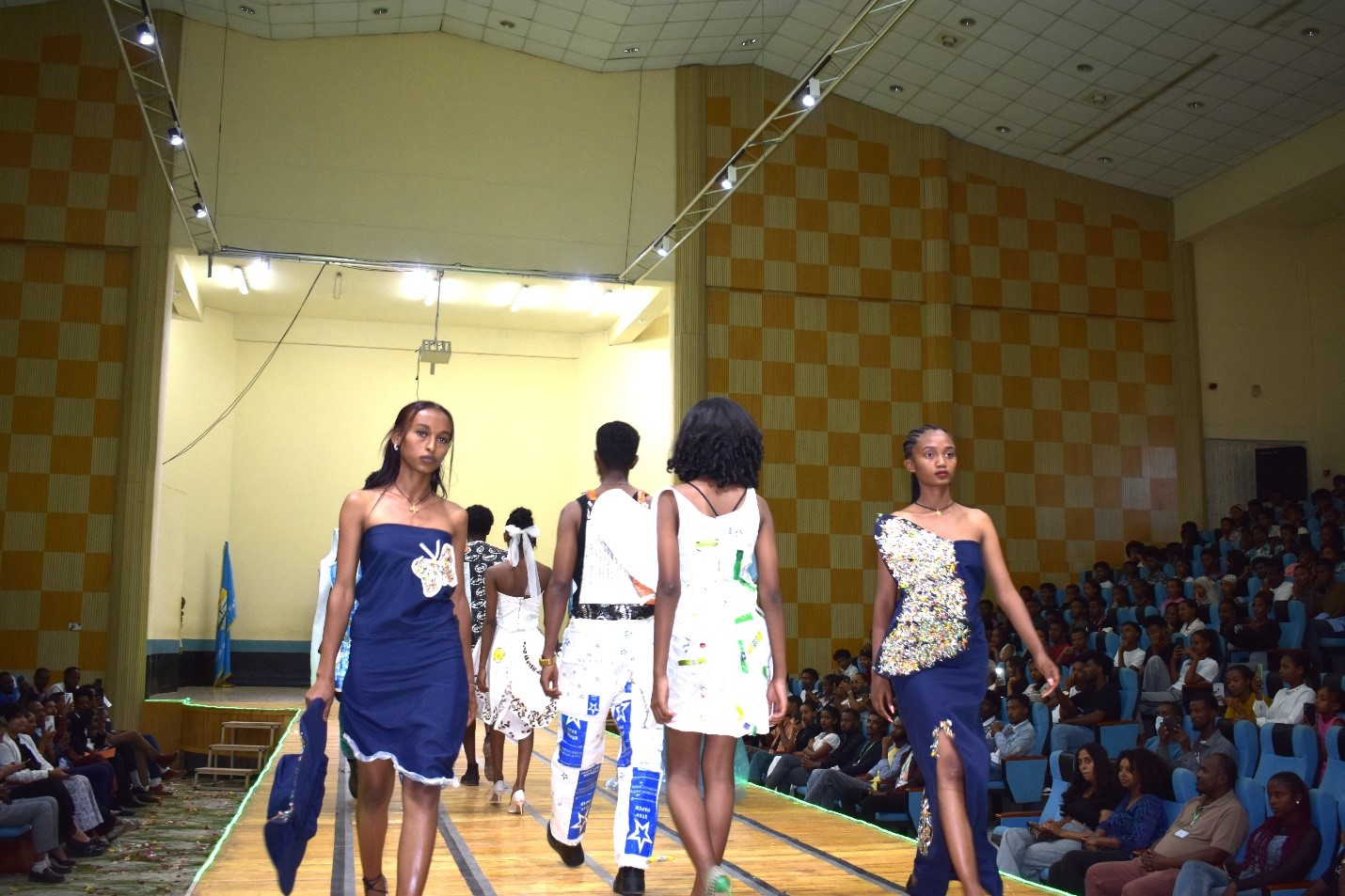
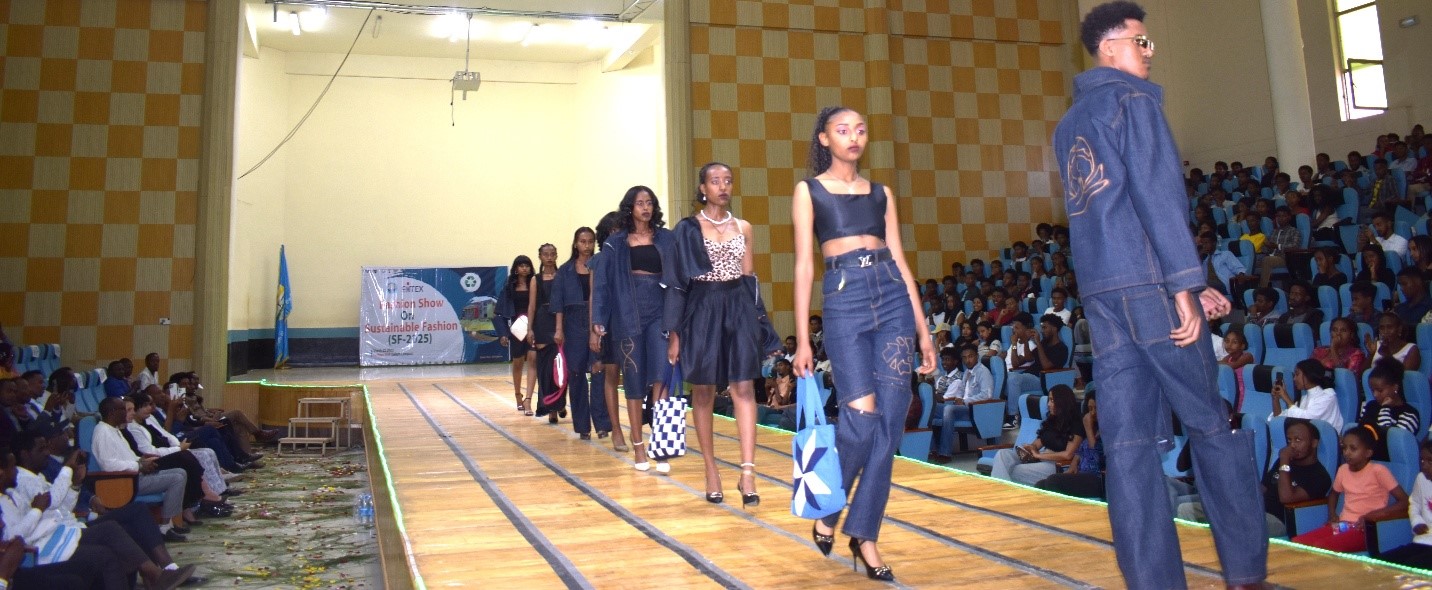
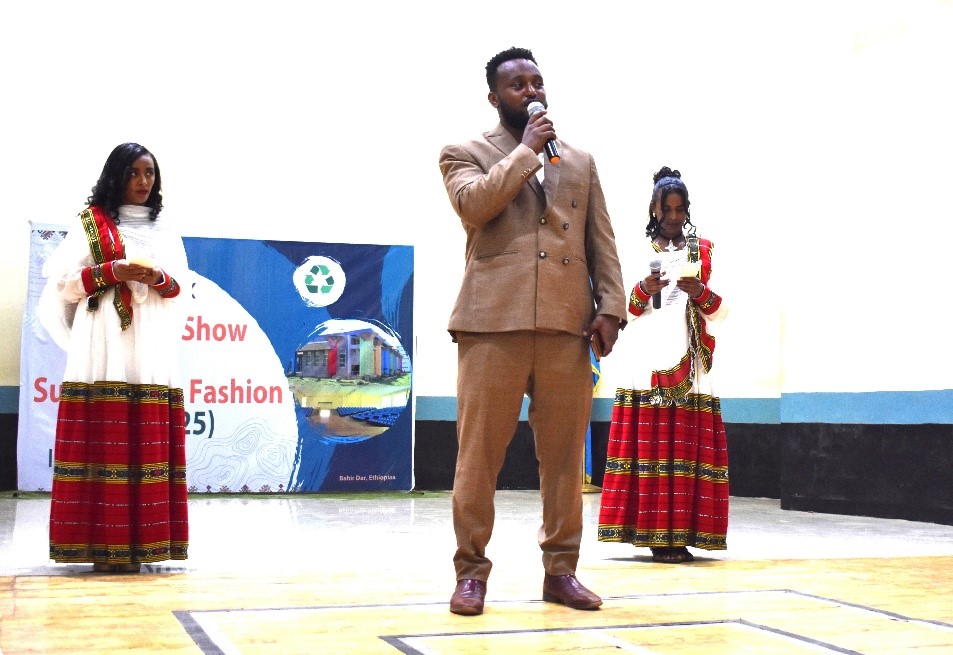
A vibrant fashion show featuring alumni and fashion design/engineering students took place at 10:00 LT in the Fashion Hall. The show presented collections that emphasized eco-friendly materials and sustainable design practices, captivating attendees with creativity and style. The event provided a platform for emerging designers to showcase their talent while promoting awareness of sustainable fashion.
Networking Opportunities
The conference facilitated networking opportunities among participants from various sectors of the fashion industry. Attendees engaged in discussions about potential collaborations, sharing insights and experiences that could lead to innovative solutions for sustainable practices.
Conclusion
The 1st National Sustainable Fashion Conference was a significant milestone in promoting sustainability within the fashion industry. With participation from various stakeholders, the event fostered collaboration, knowledge sharing, and inspiration for future initiatives. The colorful fashion events and art exhibitions not only showcased talent but also underscored the pressing need for sustainable practices in fashion.
The conference set a strong foundation for ongoing dialogue and action towards a more sustainable future in fashion. As participants left the conference inspired and motivated, it became clear that collective efforts are essential to drive meaningful change in the industry.
Recommendations
Based on the discussions and insights shared during the conference, several recommendations emerged:
1. Collaboration Across Sectors: Encourage partnerships between fashion designers, manufacturers, NGOs, and government organizations to develop comprehensive sustainability strategies.
2. Consumer Education: Implement initiatives aimed at educating consumers about sustainable fashion choices to promote responsible purchasing behavior.
3. Policy Advocacy: Advocate for policies that support sustainable practices within the fashion industry, including incentives for eco-friendly production methods.
4. Continued Dialogue: Organize follow-up events and workshops to maintain momentum and foster ongoing discussions about sustainability in fashion.
5. Support Emerging Designers: Provide resources and mentorship opportunities for emerging designers focused on sustainability to help them succeed in a competitive market.
By implementing these recommendations, stakeholders can work together to create a more sustainable future for the fashion industry.
Conference Photo Gallery
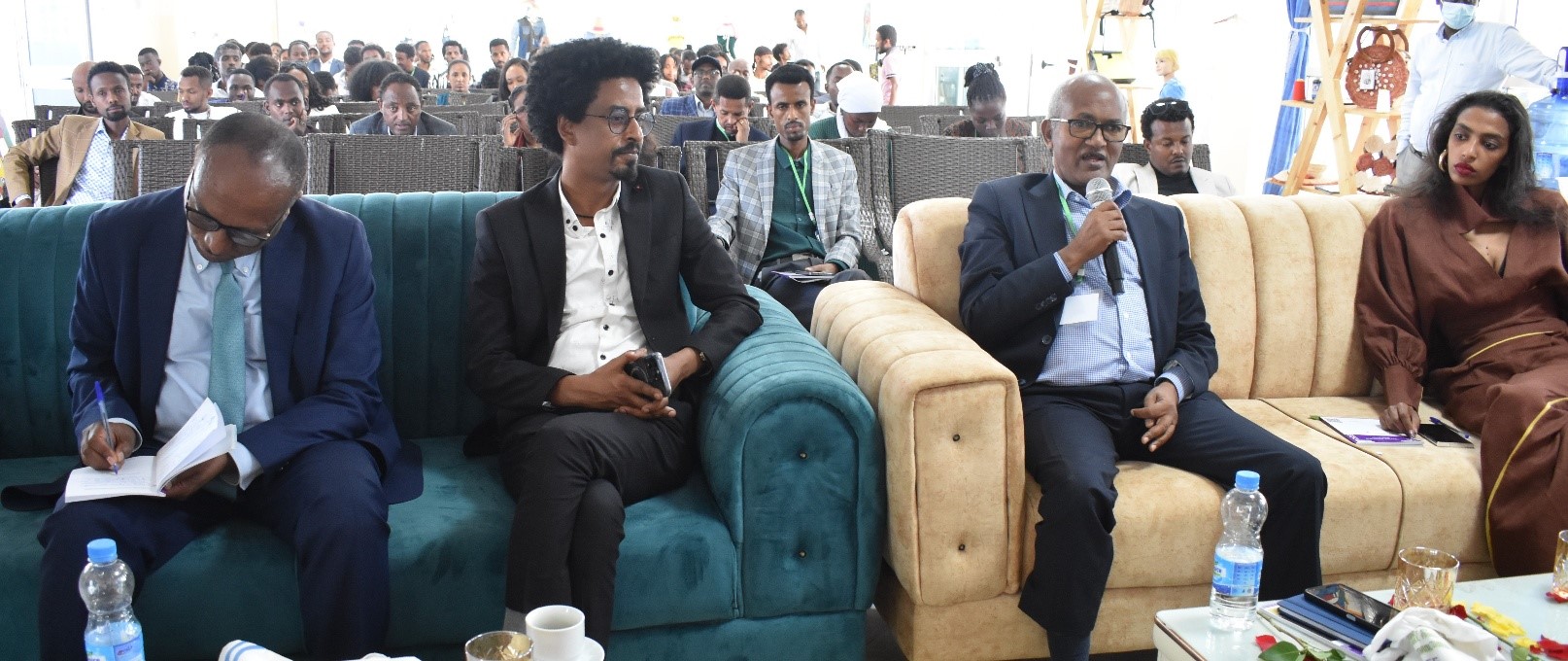
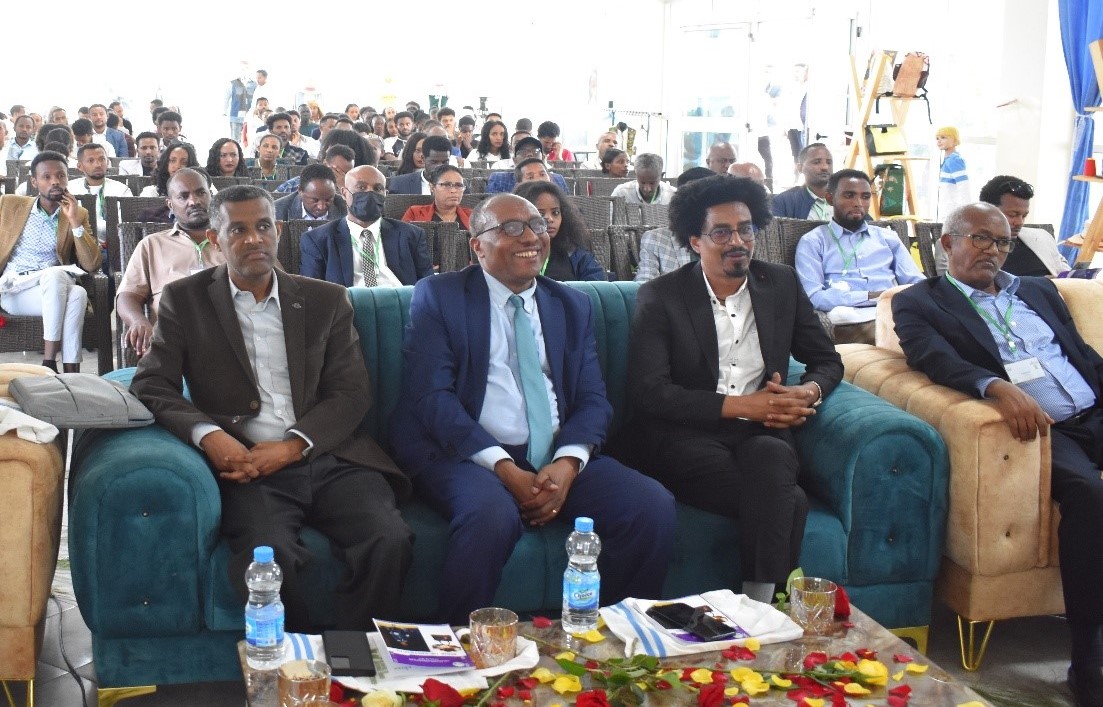
Paper Presentation Session
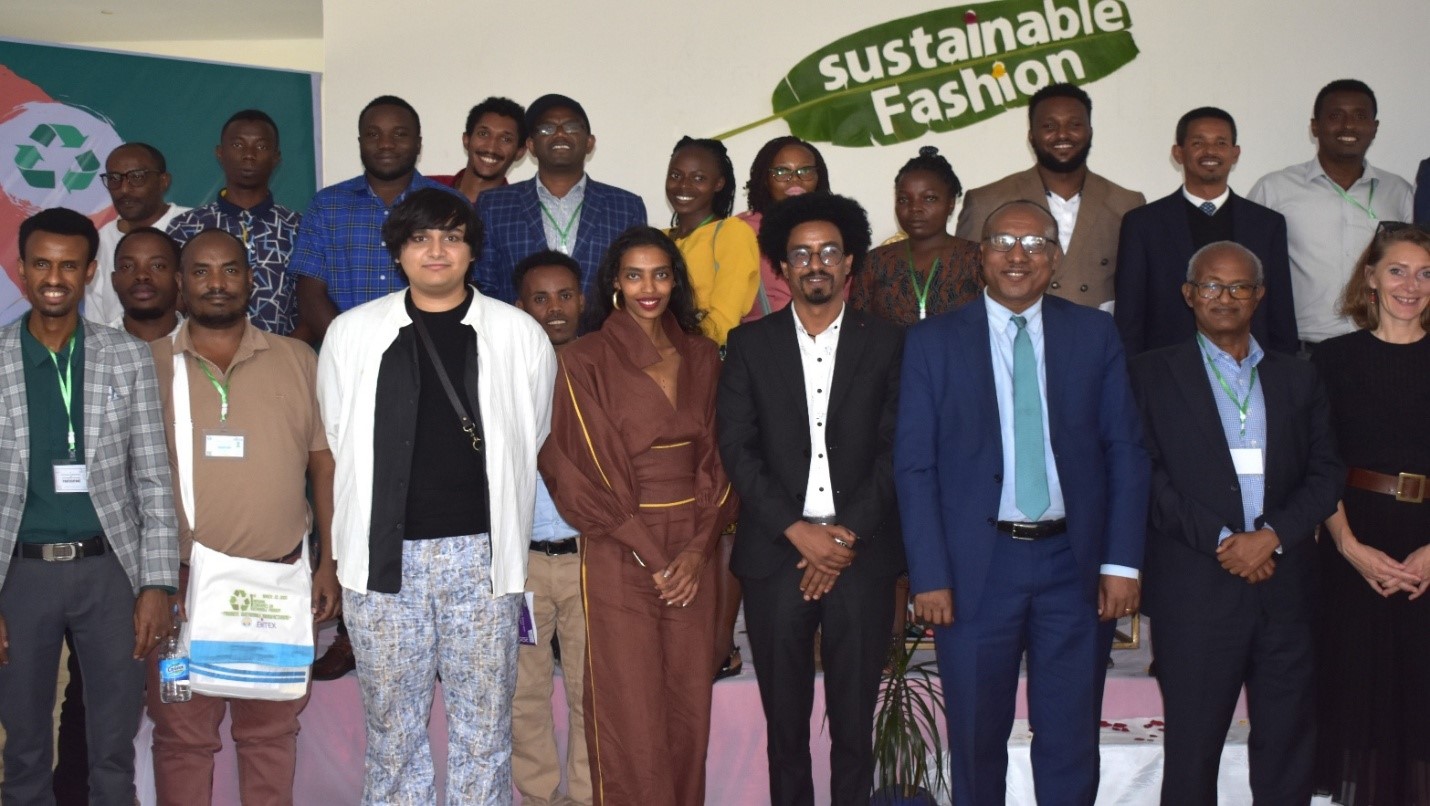
Group Photo Session
1st National Sustainable Fashion Conference Fashion Show Events
Join us 2nd National Sustainable Fashion Conference, (SF) 2026
Ethiopian Institute of Textile and fashion Technology (EiTEX)
Apparel Faculty