 English
 French
 German

1st National Conference on Sustainable Leather Manufacturing and Innovation (SLMI) Event
Organizer: Sustainable Leather and Leather Product Research Center (Apparel Faculty)
Date: July 29, 2025
Venue: Inter luxury hotel, Addis Ababa
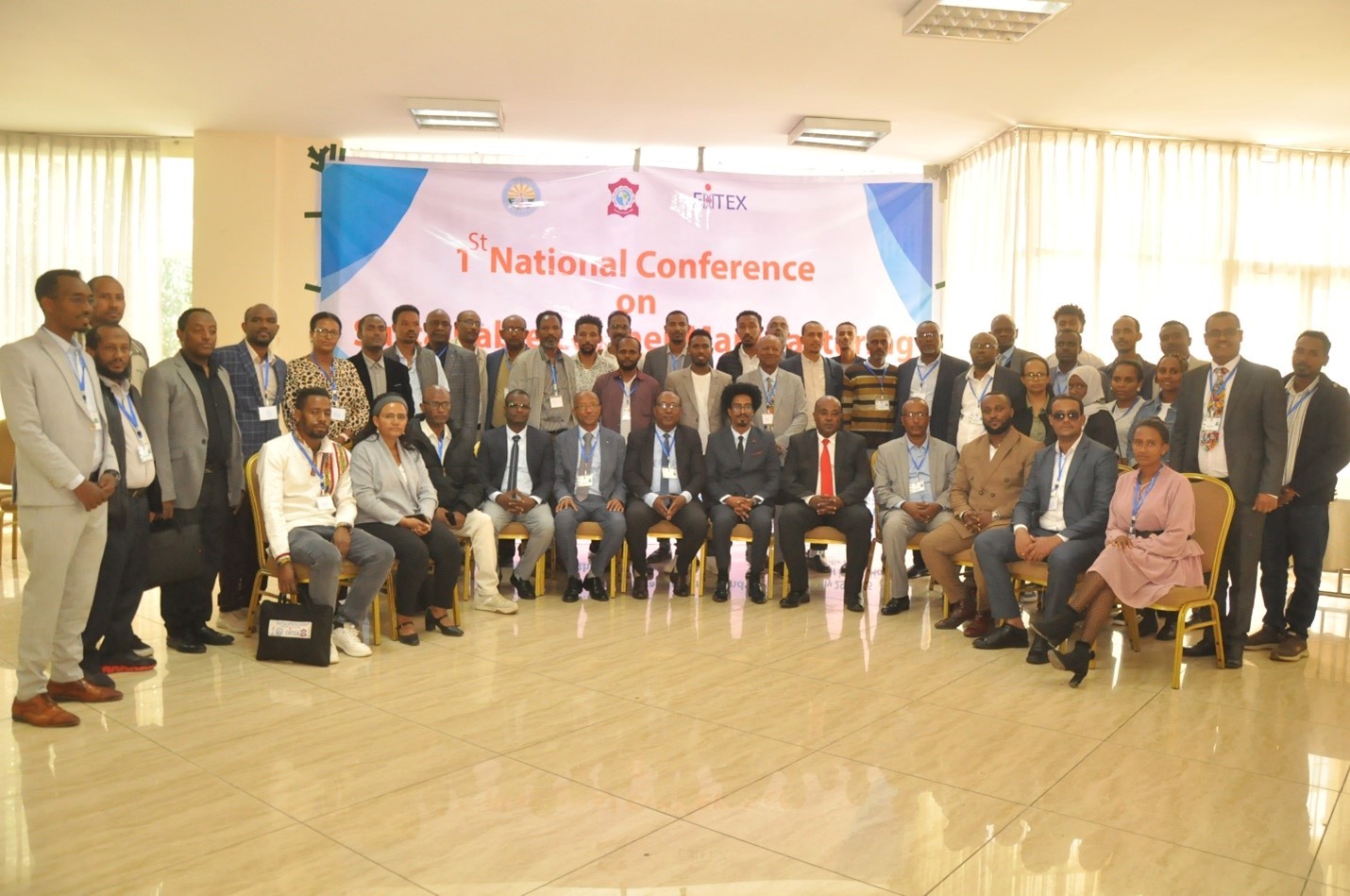
Participants: Over 110 attendees
Executive Summary
The 1st Sustainable Leather Manufacturing and Innovation (SLMI) Conference held on July 29, 2025, successfully brought together over 110 participants from diverse sectors of the leather industry. The event served as a vital platform for stakeholders—including leather manufacturers, NGOs, government representatives, design house founders, and EiTEX alumni—to discuss sustainable practices, innovations, and challenges within the leather sector. The conference featured engaging keynote speeches, panel discussions, and presentations on the latest research and trends in sustainable leather manufacturing. Additionally, a colorful exhibition showcased innovative products and solutions that align with sustainability principles. This report provides a comprehensive overview of the conference proceedings, key discussions, and recommendations for future initiatives.
Introduction
The leather industry is facing increasing pressure to adopt sustainable practices due to environmental concerns related to traditional tanning processes, waste management, and resource consumption. The 1st SLMI Conference aimed to address these challenges by facilitating dialogue among key stakeholders and promoting innovative solutions that prioritize sustainability. The conference provided an opportunity for participants to share knowledge, experiences, and best practices while exploring the potential for collaboration across sectors.
Conference Overview
The conference program was designed to foster meaningful discussions about sustainability in leather manufacturing. It included keynote addresses, panel discussions, and research presentations by experts in the field.
Keynote Speakers
The conference commenced with two inspiring keynote addresses:
1. Dr. Milkesa Jagema (Director General, Manufacturing Industry Development Institute)
Dr. Milkesa Jagema keynote focused on the importance of integrating sustainable practices within the leather manufacturing process. He emphasized the role of innovation in reducing environmental impact and highlighted successful case studies from the industry. His insights set a positive tone for the conference, encouraging participants to embrace sustainable practices.
Mr. Zulfikar Abajihad addressed the challenges and opportunities in transitioning towards sustainable leather production. He discussed the significance of stakeholder collaboration and consumer awareness in driving change within the industry. His presentation underscored the need for a collective effort to promote sustainability in leather manufacturing.
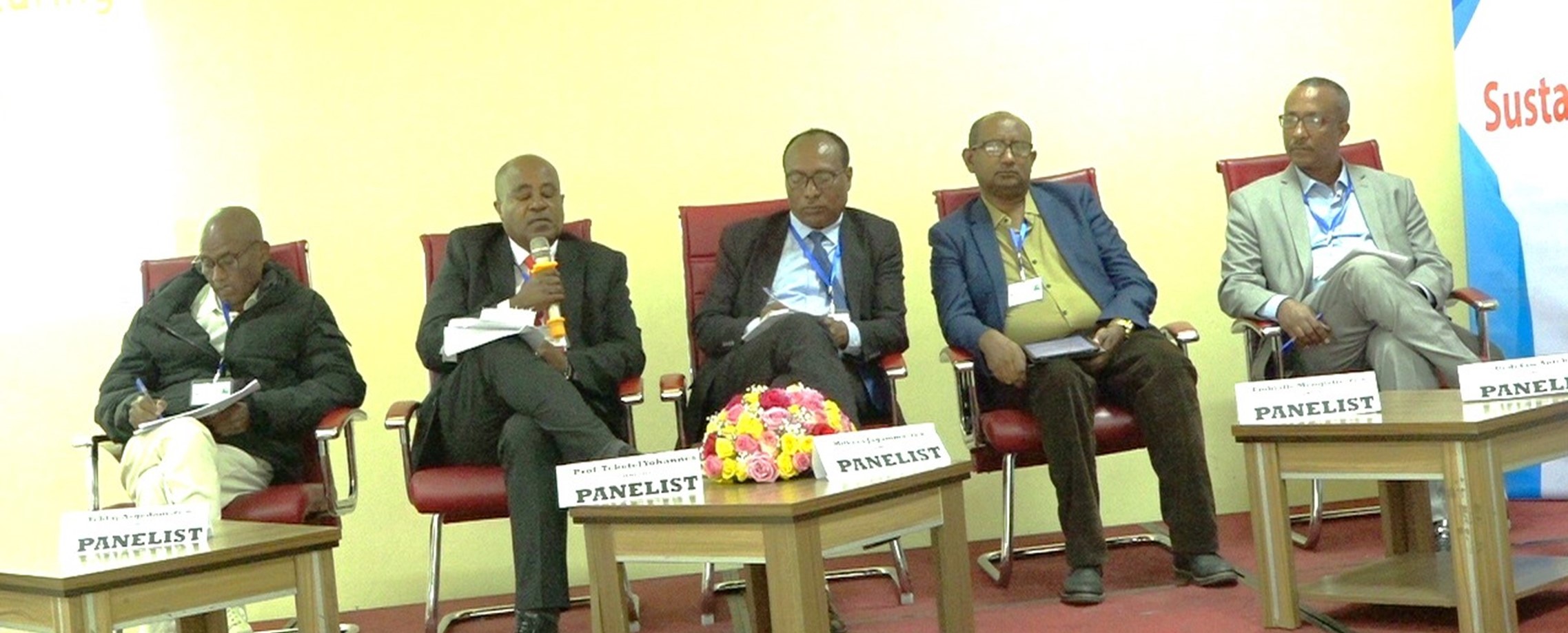
Panel Discussion
Following the keynote addresses, a dynamic panel discussion featured prominent figures from various sectors of the leather industry:
l Dr. Milkesa Jagema (Director General, Manufacturing Industry Development Institute)
l Dr. Embiyale Mengiste
l Professor Teketel Yohannes
l Mr. Gedefaw Antehun
l Dr. Teklay Asgedom
The panelists engaged in a lively discussion about the future of sustainable leather manufacturing. Key themes included:
l The importance of adopting eco-friendly tanning methods
l Innovations in biodegradable materials for leather production
l Strategies for reducing waste and improving resource efficiency
l The role of government policies in promoting sustainable practices
Research Presentations
Several researchers presented their findings on sustainability in leather manufacturing:
l Mr. Mohammed Hussien
Mr. Hussien's presentation focused on innovative design approaches that incorporate sustainable materials and production techniques.
l Professor Karthikan Rajan
Professor Rajan discussed advancements in leather recycling technologies and their potential to reduce waste in the industry.
These presentations provided valuable insights into ongoing research efforts aimed at promoting sustainability within the leather sector.
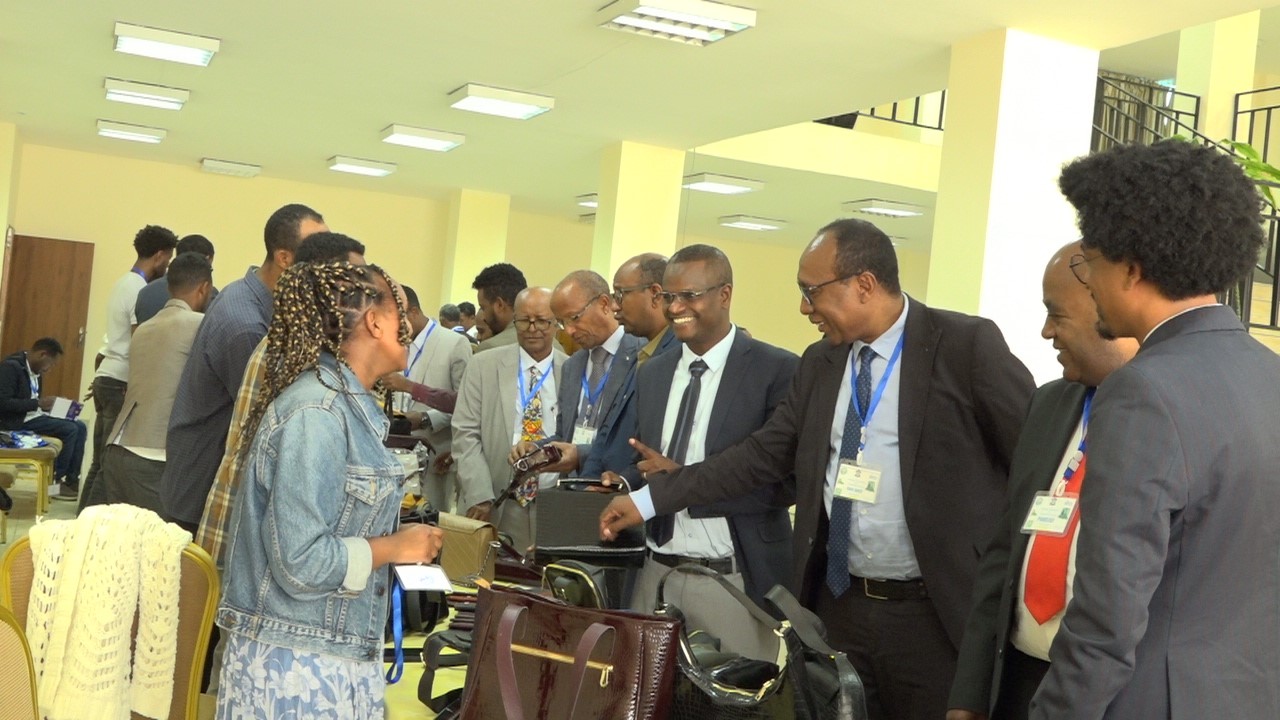
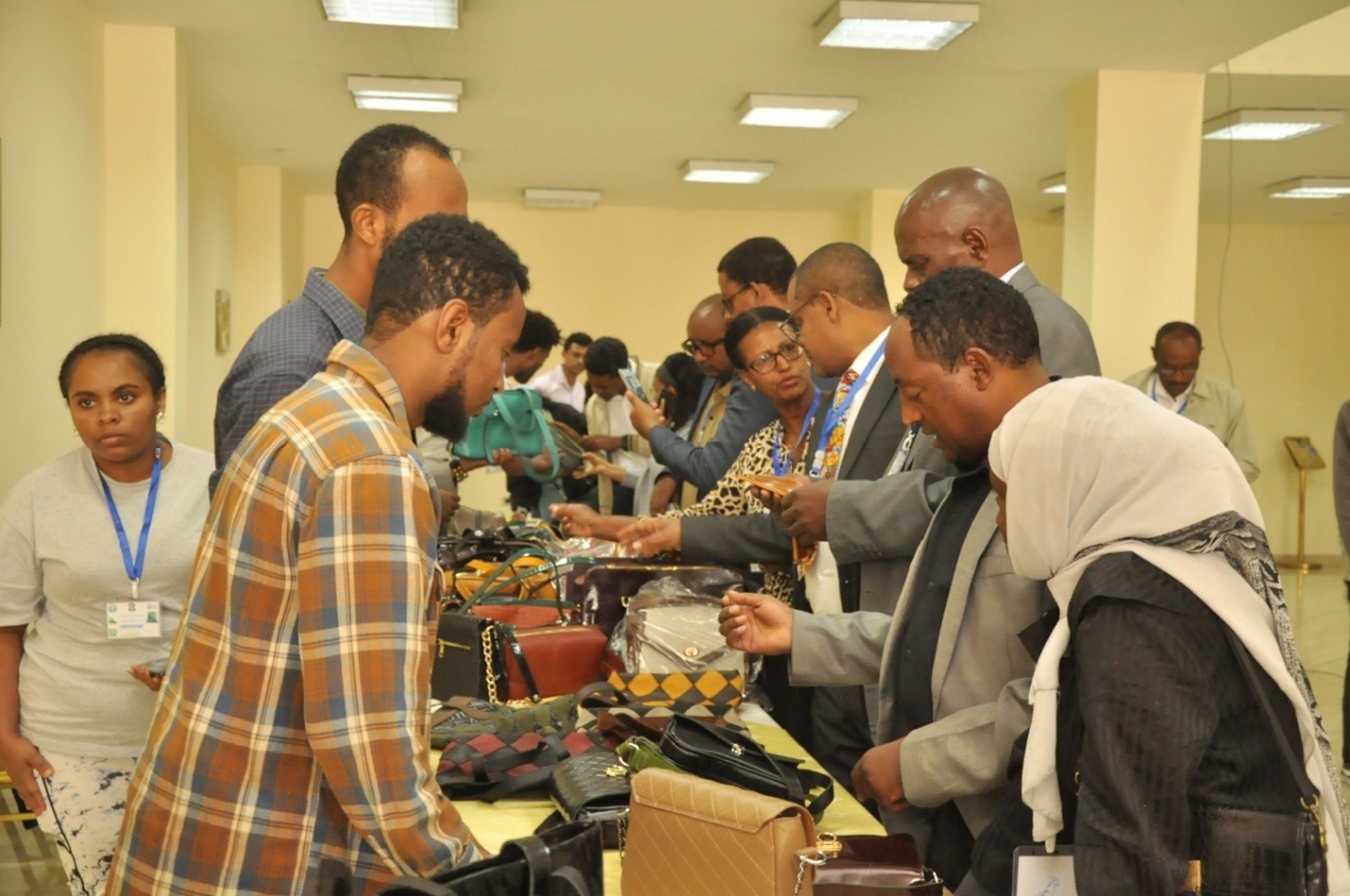
Exhibition
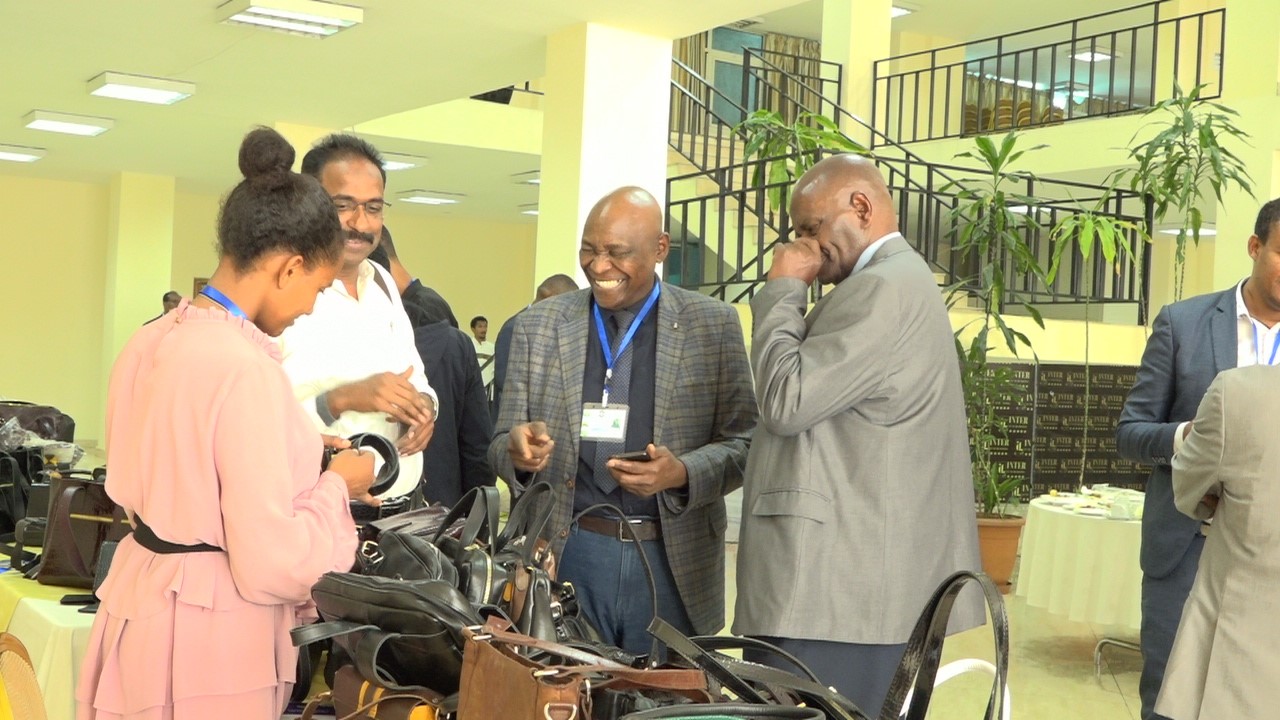
A colorful exhibition showcasing innovative products and solutions related to sustainable leather manufacturing was held throughout the conference. The exhibition featured displays from various stakeholders, including:
l Leather manufacturers presenting eco-friendly products
l NGOs promoting sustainable practices and community initiatives
l Design houses showcasing collections made from sustainable materials
l Research institutions highlighting advancements in leather processing technologies
The exhibition provided an opportunity for participants to engage with exhibitors, learn about new products, and explore potential collaborations.
Networking Opportunities
The conference facilitated networking opportunities among participants from various sectors of the leather industry. Attendees engaged in discussions about potential partnerships, shared insights on best practices, and explored collaborative initiatives aimed at promoting sustainability.
Key Takeaways
The following key takeaways emerged from the conference discussions:
1. Sustainable Tanning Methods: There is a growing need for the adoption of eco-friendly tanning processes that reduce environmental impact without compromising product quality.
2. Consumer Awareness: Educating consumers about sustainable leather products is essential for driving demand and encouraging responsible purchasing behavior.
3. Collaboration Across Sectors: Stakeholders from different sectors must collaborate to develop comprehensive sustainability strategies that address challenges within the industry.
4. Innovation in Materials: Research and development efforts should focus on innovative materials that can replace traditional leather while maintaining performance and aesthetics.
5. Policy Support: Government policies play a crucial role in promoting sustainable practices within the leather industry and should incentivize eco-friendly production methods.
Recommendations
Based on the discussions and insights shared during the conference, several recommendations emerged:
1. Establish Collaborative Networks: Create platforms for stakeholders across the leather industry to collaborate on sustainability initiatives and share best practices.
2. Promote Research and Development: Encourage investment in research and development for sustainable tanning processes and alternative materials to enhance innovation in the industry.
3. Implement Consumer Education Campaigns: Launch campaigns aimed at educating consumers about the benefits of sustainable leather products to increase demand.
4. Advocate for Supportive Policies: Engage with government agencies to advocate for policies that support sustainable practices within the leather industry.
5. Organize Follow-Up Events: Plan follow-up workshops or conferences to continue discussions on sustainability in leather manufacturing and track progress on initiatives launched during this conference.
Conclusion
The 1st Sustainable Leather Manufacturing and Innovation (SLMI) Conference was a significant milestone in promoting sustainability within the leather industry. With participation from diverse stakeholders, the event fostered collaboration, knowledge sharing, and inspiration for future initiatives. The colorful exhibition showcased innovative products and solutions that align with sustainability principles, further emphasizing the industry's commitment to change.
As participants left the conference motivated and inspired, it became clear that collective efforts are essential to drive meaningful change in the leather manufacturing sector. By implementing the recommendations outlined in this report, stakeholders can work together to create a more sustainable future for the leather industry.
This report serves as a comprehensive overview of the 1st Sustainable Leather Manufacturing and Innovation Conference, detailing key insights, discussions, and events that took place during this landmark event. The commitment to sustainability demonstrated by participants offers hope for a more responsible and innovative future in leather manufacturing.
Conference Photo Gallery
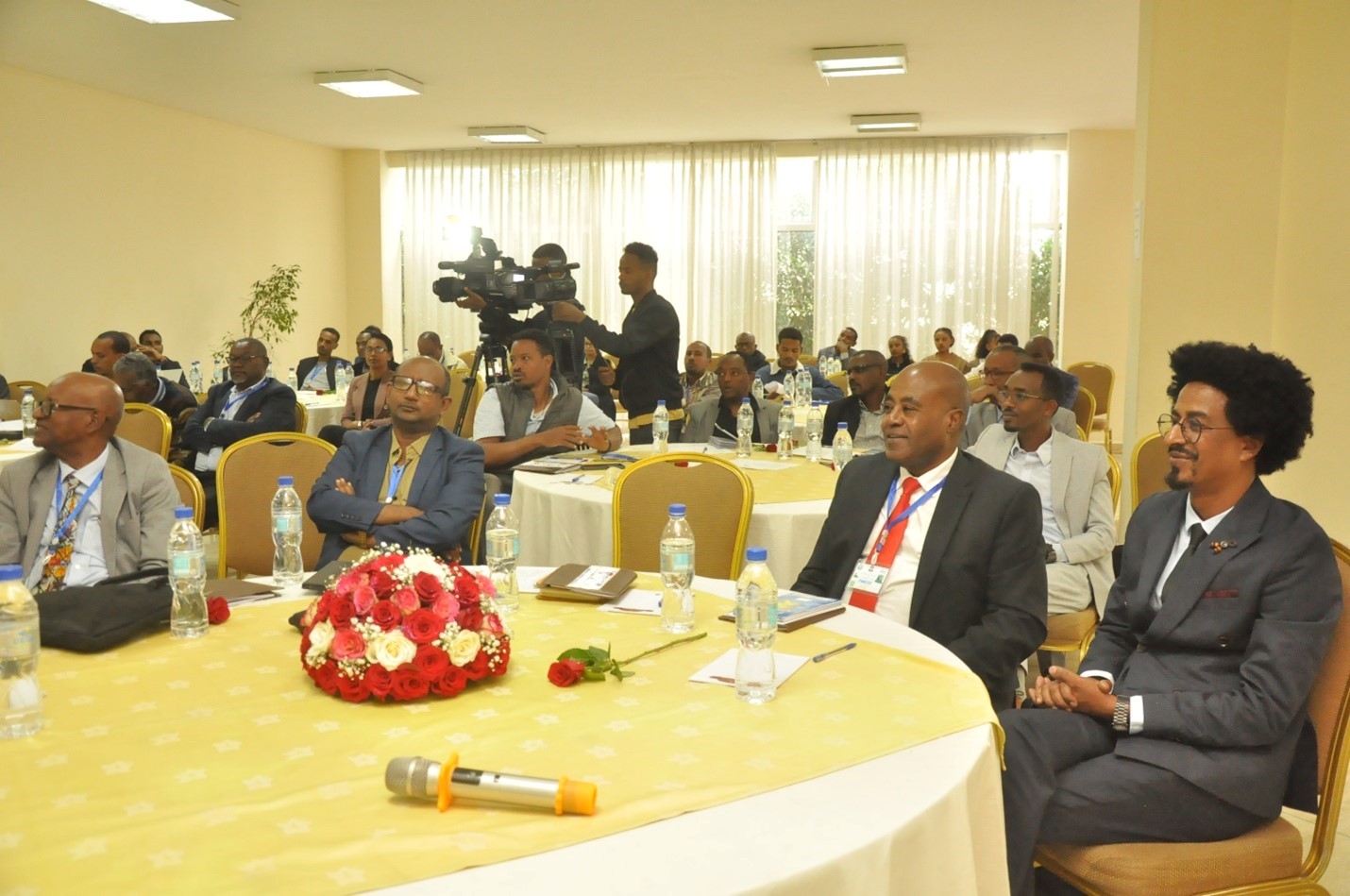
Panel Discussion Session
Exhibition
Group Photo Session
Join us 2nd National Sustainable Leather Manufacturing and Innovation Conference, (SLMI) 2026
Ethiopian Institute of Textile and fashion Technology (EiTEX)
Apparel Faculty