Bahir Dar University holds the 12th Tana Forum High-level Conferenc
24 Oct, 2026

African University Leaders Discuss the Continent’s Transition from Knowledge Consumption to Knowledge Production
Bahir Dar University, Bahir Dar | 23 October 2026
University leaders from across Africa have emphasized the importance of strengthening African universities’ capacity to set their own research agendas, generate knowledge, conduct relevant research, and contribute to the continent’s development. They made these remarks during a panel discussion hosted by Bahir Dar University in collaboration with the Tana Forum Secretariat.
Held under the theme “From Knowledge Consumers to Knowledge Producers: The Role of African Universities in Shaping Africa’s Future,” the discussion brought together prominent academic leaders to examine the opportunities and challenges facing higher education and research institutions across the continent.
The panel featured:
Prof. Said Ali Hamad Vuai, Vice-Chancellor of the State University of Zanzibar (SUZA), Tanzania
Prof. John O. Gyapong, Secretary-General of the African Research Universities Alliance (ARUA) and affiliated with the University of Ghana
Dr. Mohamed Ahmed Sulub, President of the University of Hargeisa, Somaliland
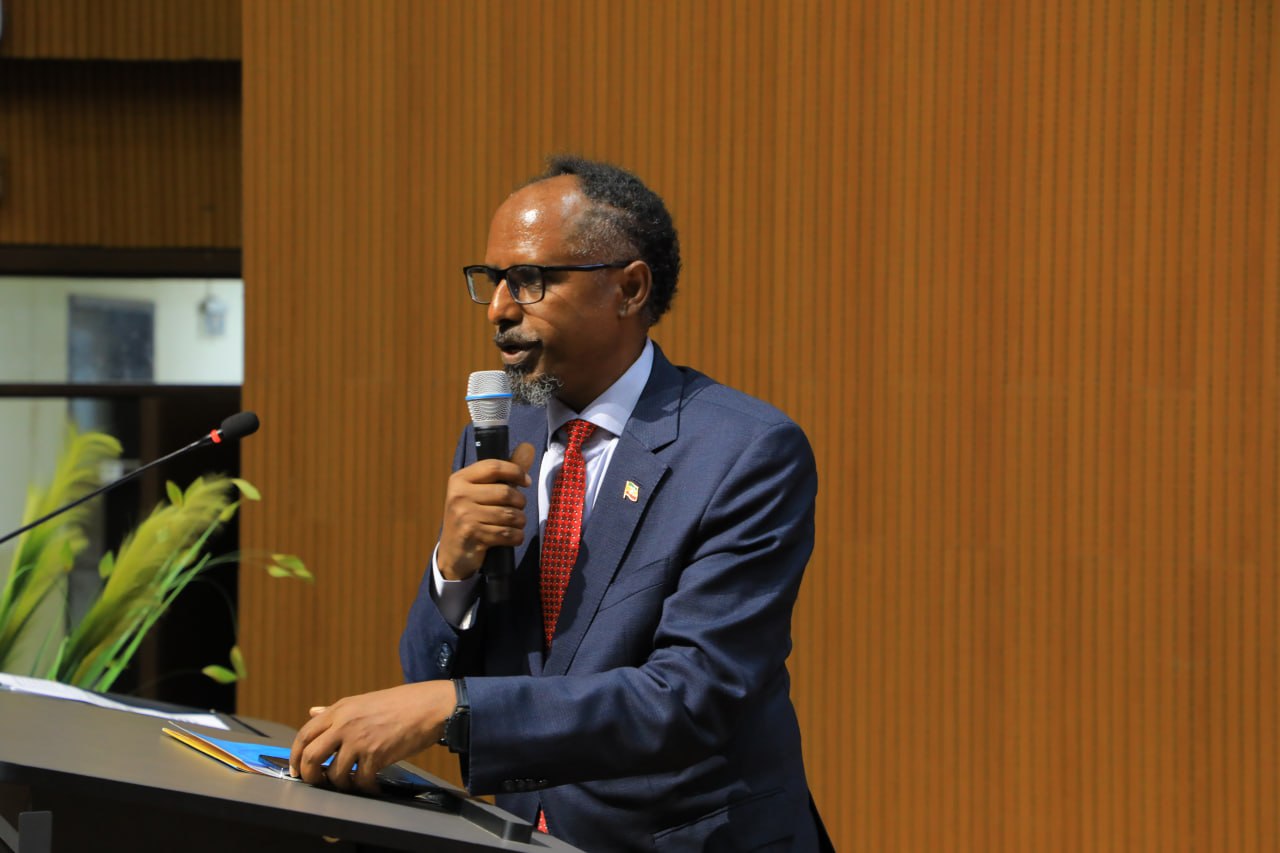
Dr. Mengesha Ayene, President of Bahir Dar University, Ethiopia, who moderated the discussion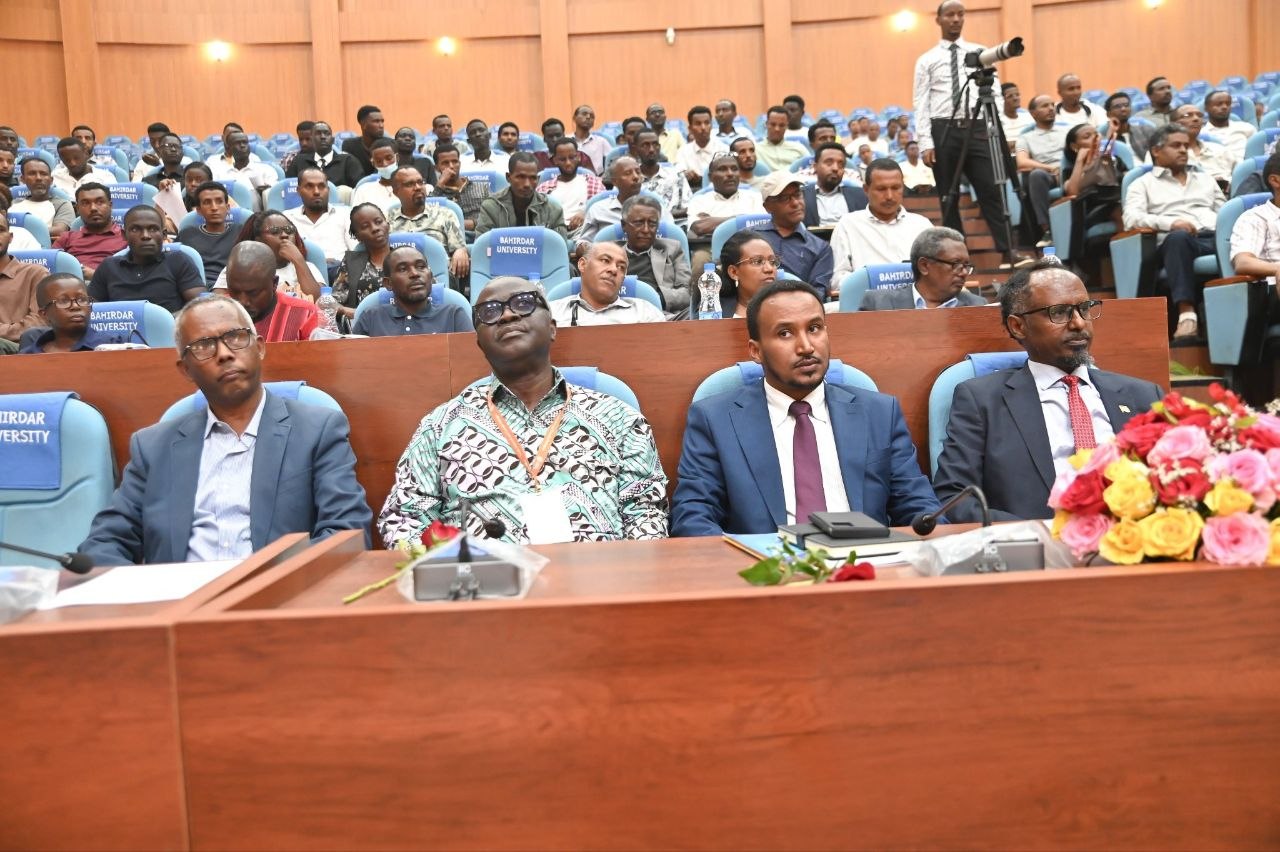
Dr. Mengesha Ayene, moderating the session outlined the key issues guiding the discussion. These included ownership of research agendas, publication standards and validation, epistemic standards, university linkages and partnerships, and AI and data sovereignty.
Reflecting on the thought guiding questions, Prof. John O. Gyapong generally begin by highlighting the limited representation of African scholars’ contributions to global knowledge, noting that conventional measures of knowledge production often fail to account adequately for African Indigenous knowledge. In his reflection, the professor underscored the importance of starting with manageable initiatives, working collaboratively, and building on existing African knowledge and resources to achieve broader impact.
He also called for a practical shift in priorities and increased research funding, emphasizing that research conducted by African institutions must be adequately supported to influence policy and contribute to development. He maintained that African universities can pursue their own interests and research agendas while engaging in international collaboration.
Prof. Said Ali Hamad Vuai emphasized the need for African researchers to generate knowledge and develop systems, models and products that influence policy, improve practices, and transform people's lives. He also highlighted the importance of protecting intellectual property rights, describing them as a means of translating knowledge into economic value and making knowledge a driver of economic development.
Dr. Mohamed Ahmed Sulub, for his part, argued that African universities should take decisive steps to address the continent's challenges. He stressed that allocating adequate funding to research would enable universities to determine which problems to prioritize and investigate.
He further called for curricula that integrate African Indigenous knowledge and recognize Africans as important sources of knowledge. Addressing university rankings, he emphasized the need for assessment criteria that recognize the distinctive contributions of African universities and encourage them to generate knowledge that addresses African challenges.
Dr. Mengesha Ayene rapped up the session highlighing the take aways of the discussion. The President said that Africa has long provided data for others to interpret, theorize about, and use to develop models. For Africans to make a stronger contribution to global knowledge, African must rigorously work on their Indigenous knowledge while adhering to modern scientific principles and procedures. He stressed that Africa must develop research agendas that address its own challenges while contributing to global knowledge. Achieving this requires rethinking and strengthening research designs to ensure that research is both locally relevant and scientifically rigorous. Dr. Mengesha emphasized that local relevance and scientific rigor are not mutually exclusive.
On academic publishing, the moderator Dr. Mengesha reiterated the panelists' view that while international visibility and compliance with global scientific standards are important, publication in high-impact journals should not become a gatekeeping mechanism that prevents African researchers from advancing research agendas aligned with the continent's priorities.
Dr. Mengeshsa therefore called for the development of high-quality African academic journals that prioritize and nurture knowledge emerging from African contexts and addressing African challenges. He also stressed that African universities must jointly shape research agendas and become sources of new knowledge rather than merely recipients of externally determined agendas and suppliers of data.
Finally, Dr. Mengesha highlighted economic sovereignty as a prerequisite for epistemic sovereignty, urging governments, universities, and industries to work together to ensure that Africans benefit from the knowledge and research products generated by its own scholars.
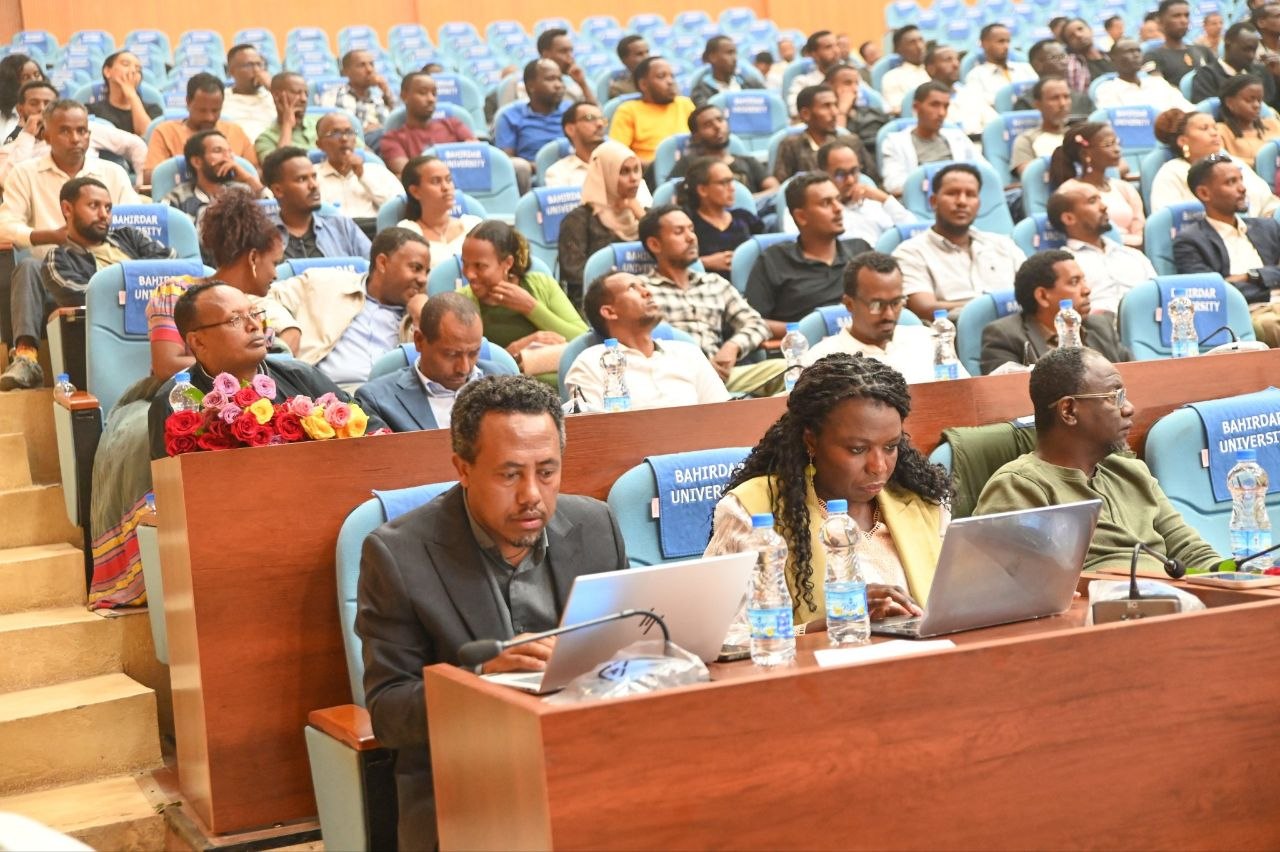
During the interactive session, participants raised questions and shared perspectives on several issues related to the forum's theme. These included knowledge sovereignty, the principles that should not be compromised in research partnerships, who should determine research agendas, the influence of the global economic structure on Africa's capacity to thrive, and the need to give greater attention to research and researchers.
The panelists responded to several of the questions and concerns raised, further enriching the discussion on how African universities can strengthen their role in knowledge production and contribute more effectively to the continent's development.
The forum was closed by Ferial Zoheb, who represented Ms. Lettie T. Longwe, Director of the Africa Peace and Security Program at the Institute for Peace and Security Studies (IPSS), Addis Ababa University (AAU), and Head of the Tana Forum Secretariat.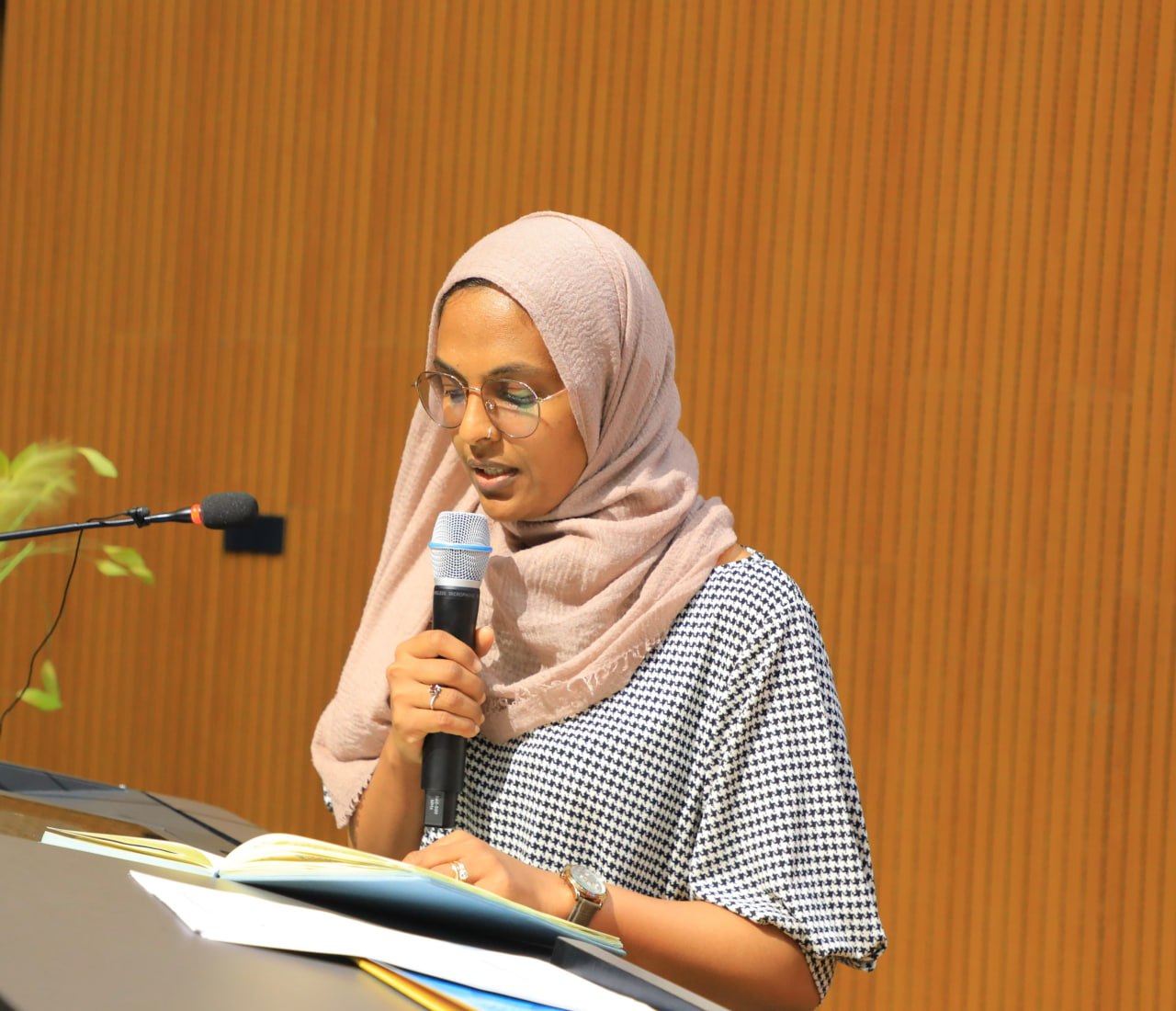
In her closing remarks, Ferial thanked the panelists, the moderator, and participants for their thought-provoking contributions. She also expressed appreciation to Bahir Dar University for its fruitful partnership, specifically acknowledging Dr. Mengesha Ayene, President of Bahir Dar University, Dr. Manendante Mulugeta, and Dr. Fikirte Adugna for their tireless efforts in making the 12th edition of Tana high-level Forum possible.
The event brought together university leaders, scholars, researchers, and stakeholders from various African countries.